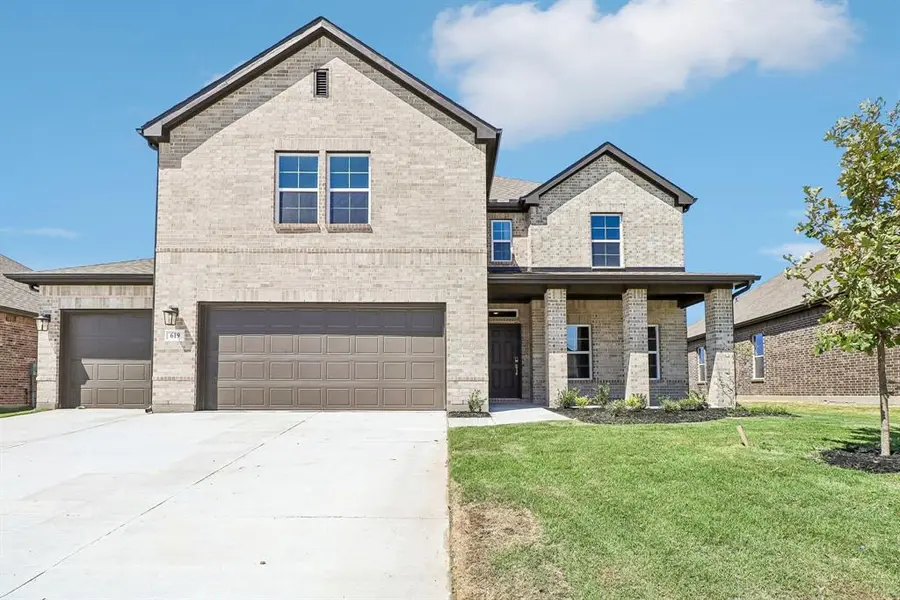

Welcome to Forney, Texas
Forney, Texas offers the feel of a fast‑growing, family‑oriented small city with the advantages of being part of the Dallas–Fort Worth metro area, making it an appealing option for today’s home buyer. As of July 2024, Forney’s population is estimated at 38,572 residents, up from 23,455 in 2020, which represents an extraordinary 64.2 percent increase in just four years. This rapid but manageable growth reflects the city’s rising popularity among buyers seeking more space, newer homes, and strong schools while remaining within commuting distance of Dallas employment centers.
Location, Growth, and Everyday Convenience
Forney is located in Kaufman County just east of Dallas, along U.S. Highway 80 and within easy reach of Interstate 20, providing straightforward access to downtown Dallas and the broader DFW job market. The average commute time for Forney residents is about 34.5 minutes, which is typical for the region and reflects the city’s role as a comfortable suburban base for professionals working in major employment hubs. At the same time, Forney retains a distinct small‑city atmosphere, with local shops, services, and community events that reduce the need to travel far for everyday needs.
Population growth has been both fast and sustained. Between 2010 and 2020, the population climbed from 14,661 to 23,455, and from 2020 to 2024 it increased again to 38,572, for a total growth of more than 160 percent over 14 years. Projections suggest that if current trends continue, the population could surpass 41,000 residents by 2025, placing Forney among the top 110 most populous cities in Texas. For a potential homeowner, this kind of demand supports long‑term property values while the city continues to invest in infrastructure, roads, and services to keep up with new development.
Housing Market and Long‑Term Value
Forney’s housing market is one of its strongest selling points, combining relative affordability with long‑term upside in a rapidly growing community. According to recent analyses, the average home value in Forney is about 306,900 dollars, down approximately 5 percent over the past year, which signals a more buyer‑friendly environment after several years of strong appreciation. A late‑2025 market update reported a median home price of around 337,400 dollars for the full year, reflecting only a modest 1.6 percent decline compared to the prior year, which indicates that prices have essentially stabilized.
More detailed data from mid‑2025 show a median sales price of roughly 345,000 dollars in May, with the median price per square foot near 159 dollars, down just over 4 percent year over year. By December 2025, the median sale price stood around 352,000 dollars, roughly 4.1 percent lower than the previous December, and homes were selling after an average of 101 days on the market. These figures, along with inventory levels approaching five to six months, point to a balanced or slightly buyer‑tilted market where you can secure a newer home at a competitive price without the intense bidding pressures seen in some other DFW suburbs.
Demographics, Income, and Community Profile
Forney’s demographic profile is particularly attractive for families and professionals planning a long‑term move. Children and young families are well represented, with 28.6 percent of the population under age 18 and more than 10 percent under age five, which helps sustain strong enrollment in local schools and youth activities. The median age is in the low to mid‑30s, reflecting a young, growing community rather than a shrinking or aging town.
The city is both diverse and relatively affluent. About 65.9 percent of residents identify as White, 15.5 percent as Black or African American, 3.1 percent as Asian, and 12.4 percent as two or more races, while approximately 18.8 percent of the population is Hispanic or Latino by ethnicity. Median household income is a robust 103,360 dollars, with per‑capita income at about 39,216 dollars, and just 7.2 percent of residents are below the poverty line, all of which indicate a solid middle‑class and upper‑middle‑class base. With nearly 75.2 percent of adults aged 16 and over participating in the labor force, Forney exhibits high levels of employment and economic engagement, another positive signal for future housing demand.
Safety, Livability, and Small‑City Comfort
Safety is a major strength in Forney and a core part of its appeal to home buyers. Independent livability ratings give Forney top marks for crime, with one analysis indicating overall crime rates about 59 percent lower than the U.S. average and violent crime roughly 67 percent lower, translating into an estimated 1 in 107 chance of being a crime victim. Another source scores the city A+ for crime, A+ for housing, A+ for employment, and A‑ for cost of living, confirming the perception that Forney offers a secure, high‑value environment within commuting distance of Dallas.
These safety metrics contribute directly to daily quality of life. Residents report feeling comfortable in residential neighborhoods, parks, and local shopping areas, and the city’s relatively compact size helps maintain a close‑knit feel even as new neighborhoods are built. The high owner‑occupancy rate of 74.3 percent indicates that most homes are lived in by their owners rather than renters, which often correlates with well maintained properties, community stability, and stronger neighborhood engagement.
Schools and Educational Advantages
Forney is served by Forney Independent School District, which has grown rapidly alongside the city and now educates approximately 16,200 students across 19 schools from pre‑kindergarten through grade 12. The district receives an overall grade of B from Niche, with a B+ rating for public schools in the city, and has been recognized for strong academic outcomes and college readiness at the high‑school level. Several Forney ISD high schools have earned awards for college success and advanced placement performance, which strengthens the long‑term value proposition for families considering a move.
Community statistics indicate that 92.3 percent of adults age 25 and older have at least a high school diploma, and 35 percent hold a bachelor’s degree or higher, both above many national benchmarks. This educational attainment profile, combined with high broadband adoption rates of over 95 percent and nearly universal computer access in households, supports a learning‑focused environment for students and convenient remote work opportunities for adults. For a home buyer thinking about children’s futures or eventual resale to families, these school and education metrics are particularly important.
Parks, Recreation, and Community Amenities
Forney invests in its parks and recreation system, which provides residents with a generous amount of green space relative to the city’s size. The community maintains about 242 acres of parkland, including major destinations such as the 33‑acre Mulberry Park, as well as neighborhood parks, sports fields, and playgrounds. These facilities host sports leagues, family activities, and community events that help new residents integrate quickly and give children and adults alike plenty of options for staying active.
Community amenities extend beyond parks. Retail sales in 2022 totaled about 558.6 million dollars, or roughly 17,385 dollars in retail sales per capita, underscoring a healthy local shopping and services sector. The city also reports strong activity in health care and social assistance, transportation and warehousing, and accommodation and food services, which together generate hundreds of millions of dollars in annual revenue and support a full range of local services that make daily life more convenient and enjoyable.
Economy, Jobs, and Regional Opportunity
While many residents commute into Dallas and nearby employment hubs, Forney’s own economic base has grown significantly. Median household income above 100,000 dollars and a labor‑force participation rate above 75 percent reflect a workforce that is both active and well compensated. The city hosts more than 600 employer firms, with strong representation in retail, transportation and warehousing, and health and social assistance, providing a foundation of local jobs and business opportunities.
The combination of fast population growth and a rising number of new homes, including more than 350 home starts in the 2024–2025 fiscal year and more than 40,000 platted or future home lots, illustrates that builders and investors see long‑term potential in Forney. For a home buyer, this level of residential and commercial development indicates that the city is evolving from a simple bedroom community into a more self‑sufficient suburban hub, which can enhance property values and lifestyle options over time.
Why Forney Is a Smart Choice for Home Buyers
Forney provides an appealing balance of affordability, safety, and growth that is difficult to match in many other parts of the Dallas–Fort Worth metroplex. With median home prices in the mid‑300,000‑dollar range, average values around 306,000 dollars, and only modest year‑over‑year declines, buyers can enter a high‑growth market at a reasonable price point while benefiting from the city’s dramatic population increase and strong median household income above 100,000 dollars. Exceptional safety scores, family‑oriented demographics, and a B‑graded, growing school district serving more than 16,000 students all reinforce Forney’s reputation as a place where families can thrive.
Choosing Forney means investing in a rapidly expanding community that still feels personable and manageable, with excellent schools, abundant parks, and strong regional access to Dallas and the broader DFW economy. For many home buyers, that combination of small‑city warmth, growing amenities, and solid housing value makes Forney not just a place to buy a house, but a city where it is easy to imagine building a long‑term home and future.